
The Quiet Detail That Changes Everything
To someone seeing it for the first time, a hyperbaric oxygen chamber can feel like a piece of high-end wellness equipment—sleek, enclosed, almost cinematic. But speak to operators, clinicians, or experienced users, and the conversation quickly narrows to a single, decisive factor:
Pressure.
More specifically, whether a system can safely operate at 2.5 ATA (atmospheres absolute)—a level that separates entry-level solutions from medical-grade Hyperbaric Oxygen Therapy (HBOT).
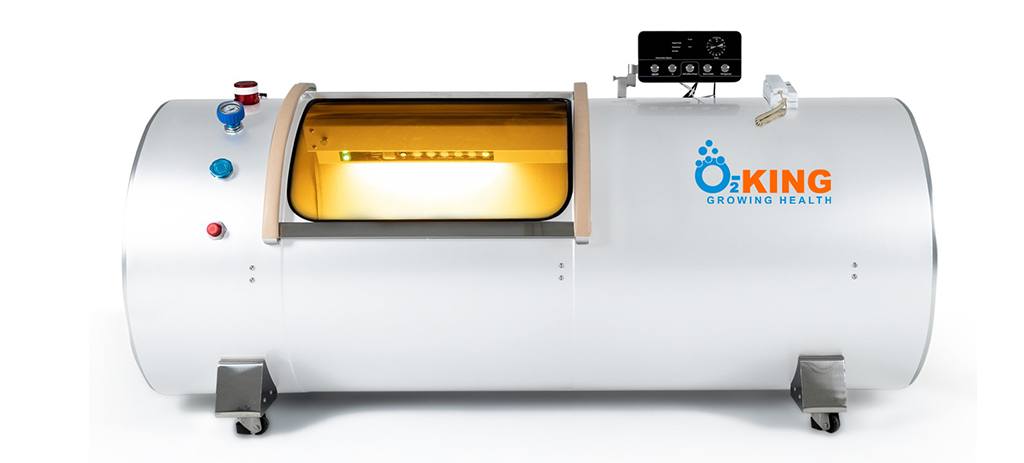
In a market that’s growing fast and getting crowded, understanding this distinction is not a technical footnote. It’s the difference between a light wellness experience and a fully capable, professional-grade system.
What Does “2.5 ATA” Actually Mean?
Let’s strip it back to basics.
At sea level, we live at 1 ATA—that’s normal atmospheric pressure. When you step inside a hyperbaric oxygen chamber, the environment changes. The chamber increases pressure while delivering oxygen, allowing your body to absorb it more efficiently.
A 2.5 ATA hyperbaric chamber means:
- The pressure is 2.5 times higher than normal atmospheric pressure
- Oxygen delivery becomes significantly more effective compared to lower-pressure systems
- The experience is controlled, structured, and engineered—not just passive oxygen exposure
Think of it like the difference between walking and using a moving walkway at the airport. You’re still moving forward either way—but one method gets you there faster, more efficiently, and with less strain.
Not All Oxygen Therapy Is the Same
There’s a tendency in the wellness market to group everything under “oxygen therapy.” But in practice, the differences are substantial.
Standard Oxygen Therapy
- Delivered at normal atmospheric pressure
- Often used for basic respiratory support
- Limited in how much oxygen the body can absorb
Lower-Pressure Hyperbaric Systems (Soft Chambers)
- Typically operate below 1.5 ATA
- Designed for entry-level or personal wellness use
- Offer a mild increase in oxygen availability
Medical-Grade HBOT (2.0–2.5 ATA)
- Operates at significantly higher pressure
- Enables deeper oxygen saturation in the body
- Built for clinical, professional, and high-performance environments
This is why experienced buyers and institutions focus less on the word “oxygen” and more on how that oxygen is delivered.
Why Pressure Level Matters More Than Most People Think
If oxygen is the fuel, pressure is the delivery system.
At higher pressures like 2.5 ATA, oxygen doesn’t just travel through the bloodstream—it dissolves more effectively into plasma and reaches areas that are harder to access under normal conditions.
From a wellness and performance perspective, this translates into:
- More efficient oxygen uptake
- Greater support for recovery processes
- A more consistent and measurable experience
- Enhanced value in structured programs (wellness, sports, corporate)
For operators, this consistency is critical. It allows HBOT to move from a “nice-to-have” feature to a reliable, repeatable service offering.
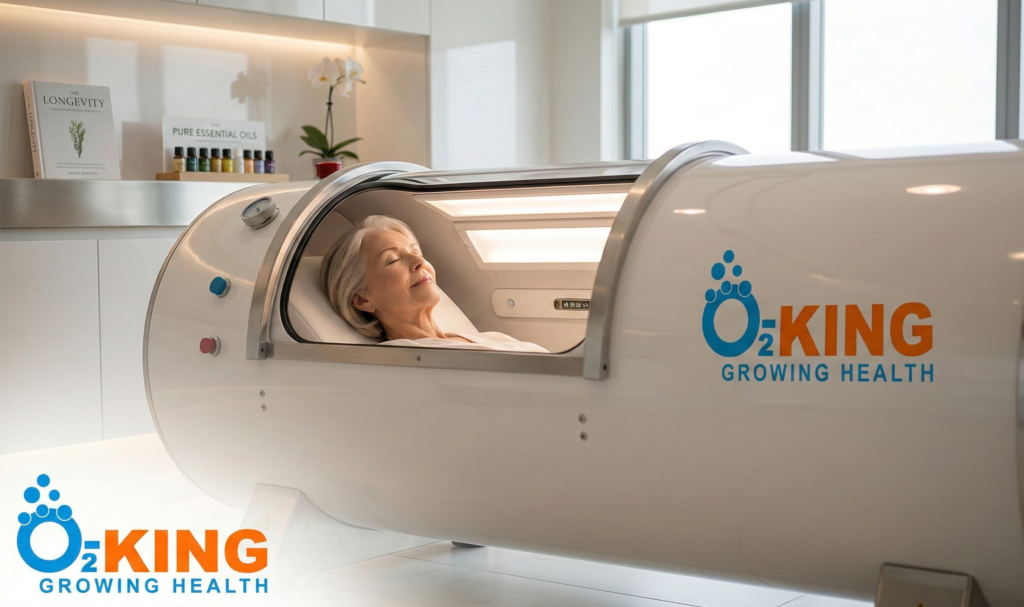
Inside a 2.5 ATA Chamber: What the Experience Feels Like
Step inside a medical grade hyperbaric chamber, and the experience is surprisingly calm.
As the session begins, pressure increases gradually. Users may feel a gentle sensation in the ears—similar to ascending in an airplane. Once stabilized, the environment becomes quiet, almost meditative.
There’s no drama, no intensity. Just a controlled, pressurized space where the body can focus on recovery.
Many first-time users expect something overwhelming. Instead, they often describe it as structured stillness—a rare pause in an otherwise overstimulated world.
The Engineering Behind Medical-Grade Hyperbaric Chambers
Reaching 2.5 ATA safely is not trivial. It requires a level of engineering that goes far beyond basic wellness equipment.
Key Features of Medical-Grade Systems
- Reinforced hard-shell construction
- Advanced pressure control systems
- Integrated safety protocols and monitoring
- Precise oxygen delivery mechanisms
- Compliance with international medical and safety standards
This is why medical grade hyperbaric chambers are typically used in:
- Hospitals
- Rehabilitation centers
- High-performance sports facilities
- Premium wellness clinics
They are built not just for performance—but for reliability under repeated, long-term use.
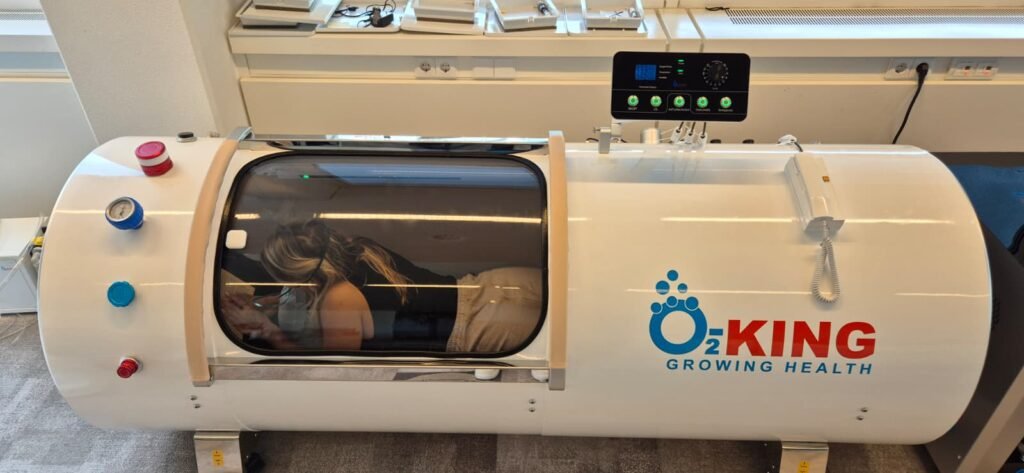
Soft Chambers vs 2.5 ATA Systems: A Practical Comparison
It’s not about “good vs bad”—it’s about use case.
| Feature | Soft Chamber | 2.5 ATA Chamber |
|---|---|---|
| Pressure Level | Low | High |
| Use Case | Personal wellness | Clinical & professional |
| Build | Flexible materials | Rigid, engineered structure |
| Oxygen Delivery Efficiency | Limited | Significantly higher |
| Business Application | Limited | Strong ROI potential |
For individual users exploring wellness casually, a soft chamber might suffice.
But for businesses, institutions, or performance-driven environments, a 2.5 ATA hyperbaric oxygen chamber is often the more strategic choice.
The Business Perspective: Why Pressure Equals Value
From a commercial standpoint, pressure level directly influences:
1. Service Quality
Higher-pressure systems allow providers to offer a more advanced and differentiated experience.
2. Client Trust
Users—especially informed ones—are increasingly aware of the difference between low-pressure and medical-grade HBOT.
3. Utilization and ROI
A hyperbaric chamber for wellness operating at 2.5 ATA can support structured programs, repeat sessions, and premium positioning.
4. Market Positioning
Facilities with medical-grade systems are perceived as more credible, professional, and future-ready.
This is particularly relevant in sectors like:
- Corporate wellness
- Sports recovery
- Longevity clinics
- Executive health programs
Where O2-KING Fits Into the Medical-Grade HBOT Landscape
As demand for higher-quality systems grows, providers like O2-KING are aligning with this shift toward performance, safety, and scalability.
O2-KING focuses on delivering:
- 2.0 ATA and 2.5 ATA hyperbaric chamber solutions
- Systems suitable for wellness, medical-support, and corporate environments
- Flexible models to buy, rent, or lease oxygen chamber units
- Long-term reliability and compliance with global standards
In a space where shortcuts can be risky, that emphasis on engineering and consistency matters.
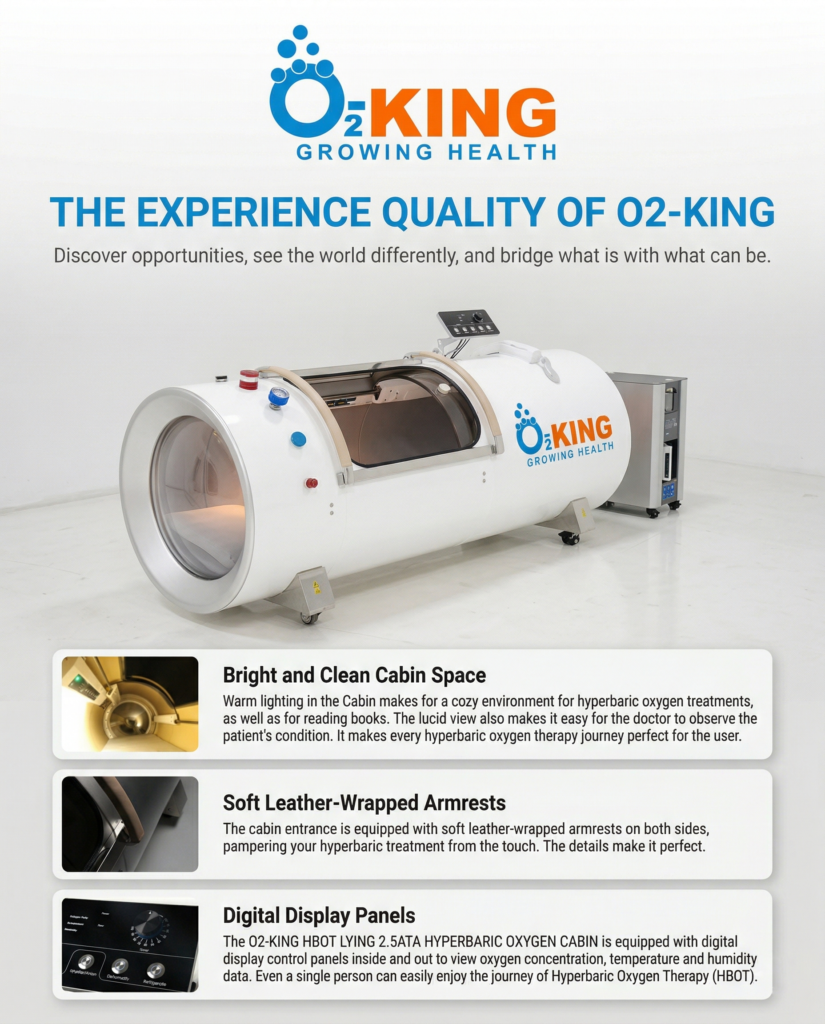
Choosing the Right System: Questions Serious Buyers Ask
If you’re evaluating an oxygen therapy chamber, pressure should be one of your first filters—but not the only one.
Consider:
- What pressure level does the chamber support?
- Is it certified and compliant with international standards?
- Is it designed for professional, repeated use?
- Does it align with your business or institutional goals?
- Can it scale with demand over time?
In most cases, buyers who think long-term gravitate toward medical-grade hyperbaric chambers, not entry-level alternatives.
The Bigger Picture: HBOT as a Precision Tool
What’s happening in 2026 is a shift in mindset.
HBOT is no longer viewed as a generic wellness add-on. It’s becoming a precision tool—one that can be integrated into structured programs for recovery, performance, and longevity.
And like any precision tool, its effectiveness depends on how it’s built.
Pressure, in this context, is not just a number. It’s a signal of capability.
Final Thought: Why 2.5 ATA Defines the Future of HBOT
In a rapidly expanding market, it’s easy to get distracted by features, aesthetics, or marketing language. But experienced operators tend to come back to fundamentals.
What can the system actually do?
A 2.5 ATA hyperbaric oxygen chamber answers that question with clarity. It represents a level of performance, consistency, and engineering that aligns with where the wellness and medical-support industries are heading.
For anyone serious about investing in Hyperbaric Oxygen Therapy, understanding pressure is not optional—it’s foundational.
And in that sense, stepping inside a 2.5 ATA chamber is not just a different experience.
It’s a different category altogether.