In sports, injuries are often viewed as part of the game. Whether it’s a football player rolling an ankle, a runner developing a stress fracture, or a cyclist recovering from a concussion, setbacks can happen in an instant. What truly separates elite athletes from the rest isn’t simply talent—it’s how effectively they recover.
Modern sports medicine has evolved far beyond ice packs and rest days. Today, professional athletes, sports physicians, and rehabilitation specialists are increasingly turning to advanced technologies to accelerate healing and reduce downtime. One of the most talked-about innovations in recent years is Hyperbaric Oxygen Therapy (HBOT).
From helping athletes recover from sprains and torn ligaments to supporting concussion rehabilitation, HBOT has become a valuable tool in the world of sports recovery.
Why Oxygen Matters in Healing
Every tissue in the body depends on oxygen. When an injury occurs, swelling, inflammation, and damaged blood vessels can reduce oxygen delivery to the injured area at the exact moment it needs oxygen most.
Imagine trying to repair a building without enough workers or materials. The process slows down dramatically. The same principle applies to the human body.
When tissues are deprived of oxygen, healing becomes less efficient. Muscle repair takes longer, inflammation persists, and recovery timelines stretch out.
This is where Hyperbaric Oxygen Therapy can make a difference.
What Is Hyperbaric Oxygen Therapy?
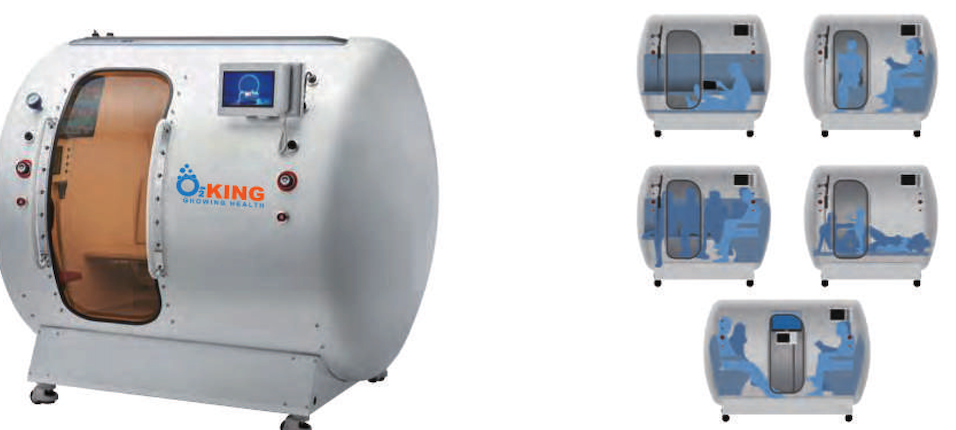
Hyperbaric Oxygen Therapy involves breathing concentrated oxygen inside a pressurized oxygen chamber. The increased pressure allows oxygen to dissolve more efficiently into the bloodstream and penetrate tissues that may have limited circulation.
Unlike normal breathing, HBOT delivers significantly higher amounts of oxygen to muscles, tendons, ligaments, bones, and even brain tissue. This enhanced oxygen delivery supports the body’s natural healing processes and may help reduce recovery times in certain injuries.
Today, HBOT is used in hospitals, sports medicine clinics, wellness centers, and professional training facilities around the world.
HBOT for Sprains and Soft-Tissue Injuries
Ankle sprains remain one of the most common injuries in sports. Whether on the football field, basketball court, or running trail, ligament damage can lead to swelling, pain, and reduced mobility.
Hyperbaric Oxygen Therapy is increasingly used as part of rehabilitation programs because oxygen-rich tissues tend to heal more efficiently. Research and clinical observations suggest that HBOT may help reduce swelling, improve range of motion, and support faster functional recovery when integrated with physiotherapy and proper medical care.
For athletes, even a small reduction in recovery time can mean returning to training weeks earlier and maintaining competitive momentum.
Ligament Tears and Tendon Injuries
Ligaments and tendons are notoriously slow to heal because they have limited blood supply compared to muscles.
Injuries such as:
- ACL tears
- MCL injuries
- Rotator cuff damage
- Achilles tendon injuries
- Chronic tendinitis
often require months of rehabilitation.
One of the reasons HBOT attracts attention in sports medicine is its potential to support collagen production, fibroblast activity, and new blood vessel formation. These processes are essential for rebuilding damaged connective tissues.
Athletes recovering from ligament reconstruction or tendon repair often incorporate HBOT into a broader rehabilitation strategy that includes physiotherapy, strength training, mobility work, and recovery management.
Concussions and Brain Recovery
Concussions are among the most challenging injuries in sports because symptoms are often invisible.
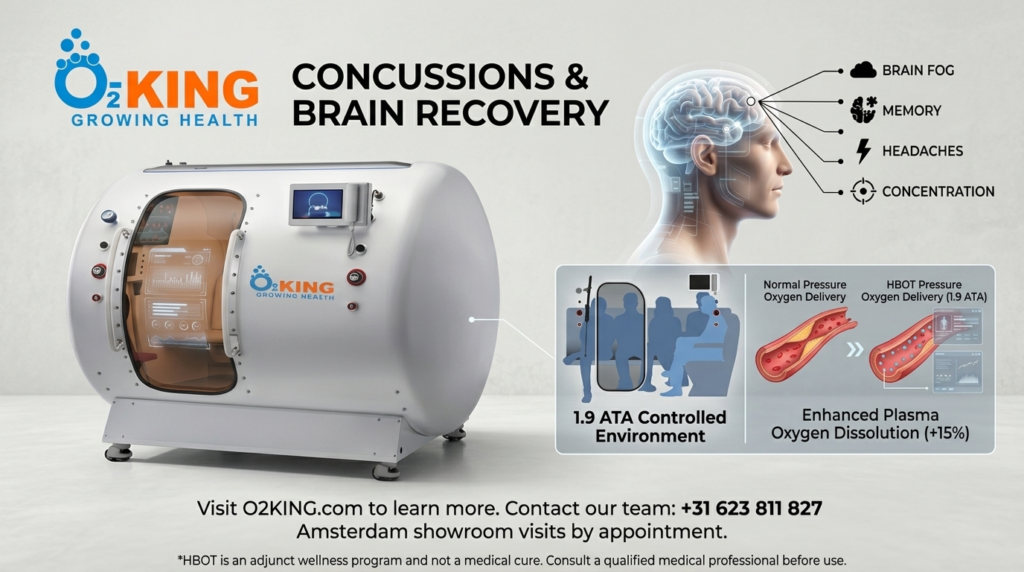
An athlete may appear physically healthy while experiencing:
- Brain fog
- Memory difficulties
- Headaches
- Poor concentration
- Mood changes
- Sleep disturbances
Even mild traumatic brain injuries can have lasting effects if not managed properly.
Researchers have explored Hyperbaric Oxygen Therapy as a way to support brain recovery by improving oxygen availability to injured tissues and helping reduce neuroinflammation. Several clinical studies have reported improvements in cognitive function, symptom scores, and quality of life among individuals with persistent post-concussion symptoms following structured HBOT programs.
While research continues to evolve, many sports medicine professionals view HBOT as a promising complementary therapy for concussion rehabilitation when supervised by qualified healthcare providers.
Fractures and Post-Surgical Recovery
The value of HBOT extends beyond sprains and concussions.
Athletes recovering from:
- Stress fractures
- Bone fractures
- ACL reconstruction surgery
- Tendon repair procedures
- Orthopedic surgeries
often face lengthy rehabilitation periods.
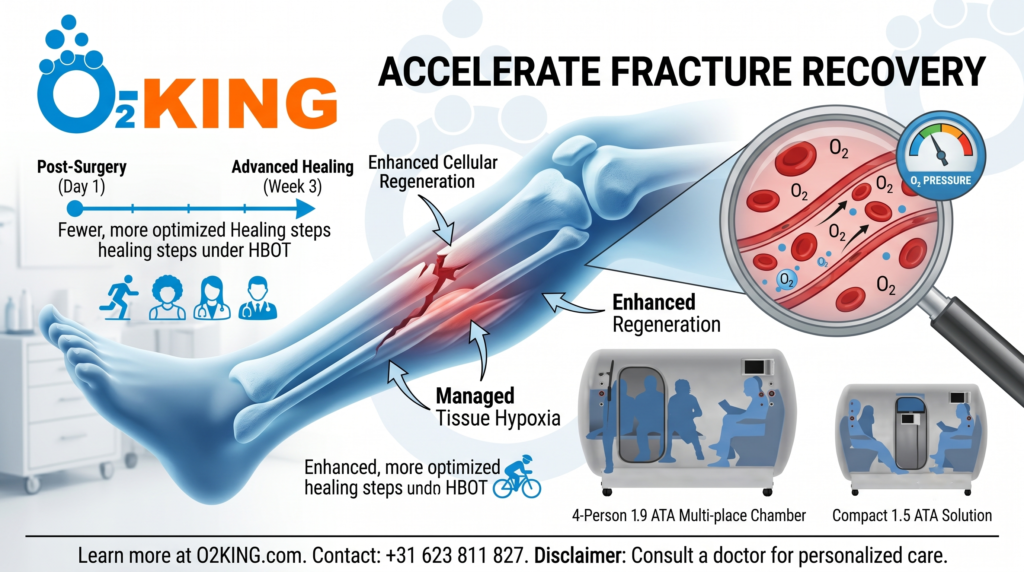
Enhanced oxygen delivery may help support bone healing, tissue regeneration, and post-surgical recovery. Many sports rehabilitation centers use HBOT to help manage swelling, support wound healing, and improve comfort during recovery.
The goal is not simply to heal faster but to heal better.
Why Professional Athletes Are Embracing HBOT
Elite sports have become a game of margins.
A fraction of a second can determine a champion. A few extra weeks lost to injury can impact an entire season.
This reality has driven professional athletes to invest heavily in recovery technologies.
Many sports organizations now include Hyperbaric Oxygen Therapy as part of comprehensive performance and recovery programs because it may help:
- Reduce inflammation
- Support tissue repair
- Enhance recovery between training sessions
- Improve rehabilitation outcomes
- Promote long-term athletic health
Recovery is no longer considered passive. It is an active component of performance.
HBOT Works Best as Part of a Complete Rehabilitation Program
One important point often overlooked is that Hyperbaric Oxygen Therapy is not a standalone solution.
The most successful outcomes occur when HBOT is combined with:
- Sports medicine evaluation
- Physiotherapy
- Strength and conditioning
- Proper nutrition
- Sleep optimization
- Progressive return-to-play protocols
Think of HBOT as a powerful teammate rather than the entire team.
When integrated into a structured rehabilitation plan, it can help athletes maximize their recovery potential.
Why O2-KING HBOT Oxygen Therapy Chambers Stand Out
When choosing a hyperbaric oxygen chamber, quality, safety, comfort, and performance matter.
O2-KING HBOT Oxygen Therapy Chambers are trusted by wellness centers, rehabilitation clinics, sports facilities, and private users looking for reliable oxygen therapy solutions.
Whether you need:
✔ Soft Hyperbaric Oxygen Chambers
✔ Hard Hyperbaric Oxygen Chambers
✔ Portable Oxygen Chambers
✔ Multi-Person Oxygen Cabins
✔ Professional Sports Recovery Chambers
O2-KING offers premium solutions designed for modern recovery and wellness applications.
The best part is flexibility.
You can:
✅ Buy an Oxygen Chamber
✅ Rent an Oxygen Chamber
✅ Lease an Oxygen Chamber
This makes O2-KING an ideal partner for sports clubs, physiotherapy centers, hospitals, wellness facilities, and athletes seeking advanced recovery technology without unnecessary complexity.
For more information about O2-KING HBOT Oxygen Therapy Chambers:
The Future of Sports Rehabilitation
Sports medicine is moving toward smarter, more personalized recovery strategies. Athletes today are not simply looking to return to competition—they want to return stronger, healthier, and more resilient.
Hyperbaric Oxygen Therapy is increasingly becoming part of that conversation.
From concussions and ligament injuries to sprains, fractures, and post-surgical rehabilitation, HBOT offers an innovative approach that supports the body’s natural healing processes. While it is not a miracle cure, it represents a valuable tool in modern sports medicine.
As research continues and technology advances, oxygen therapy is likely to play an even greater role in helping athletes recover, perform, and thrive.
Because in sport, recovery isn’t just about getting back in the game.
It’s about coming back ready to win.