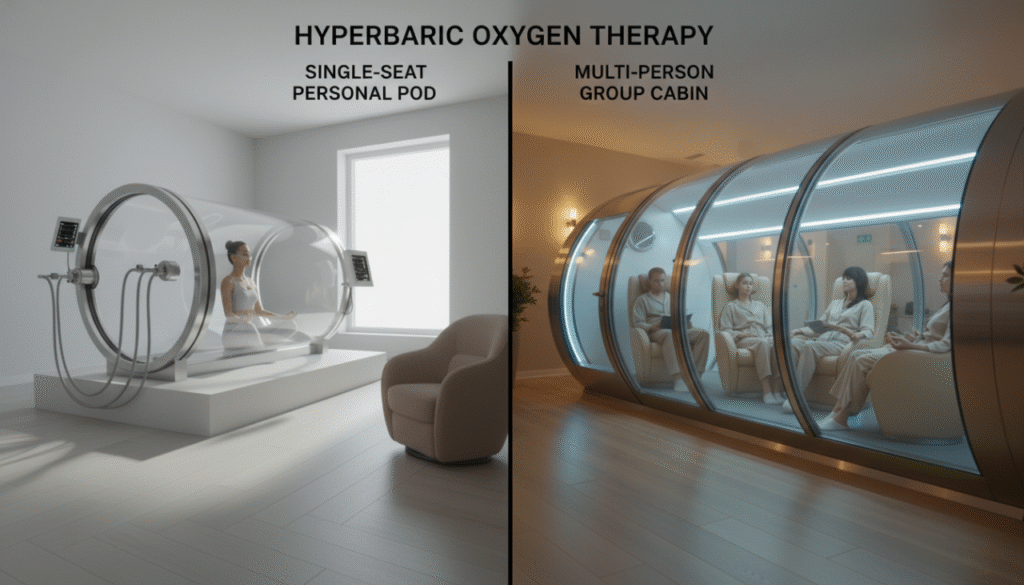
Deciding between a single-seat hyperbaric oxygen cabin and a multi-person oxygen chamber is one of those practical choices that feels small on paper but shapes your whole operation. It affects patient flow, the client experience, staff training, space design, and — ultimately — your bottom line. Let’s walk through the pros and cons in plain language so you can choose the right tool for your practice or wellness center.
The single-seat oxygen cabin: private, simple, and budget-friendly
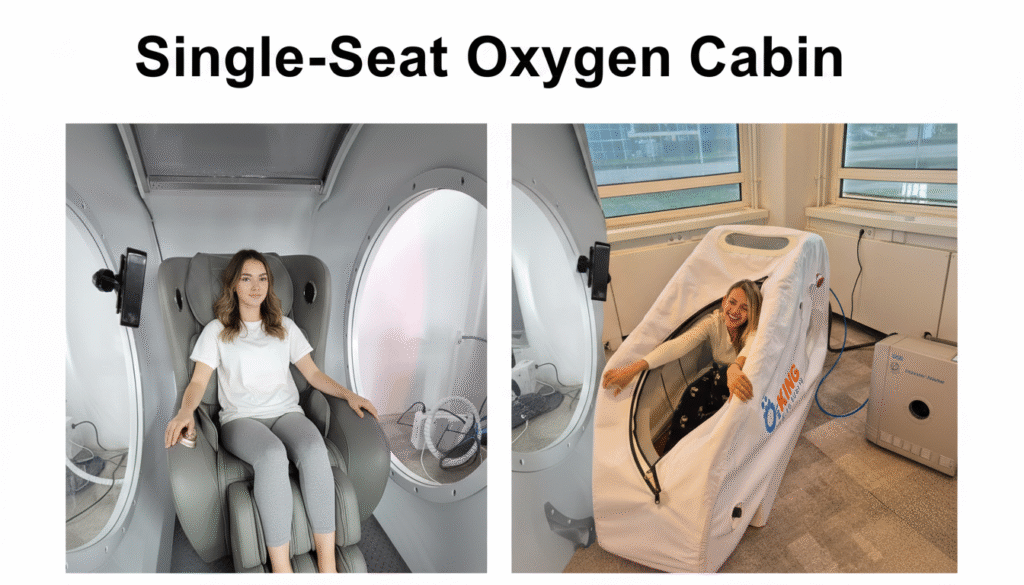
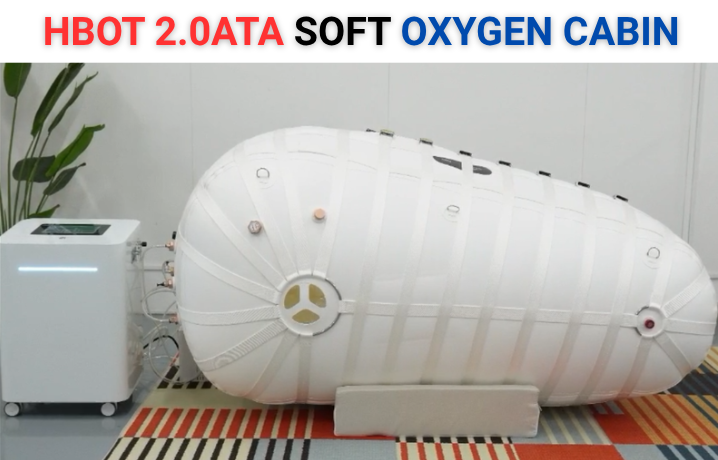
Think of a single-seat oxygen cabin as the boutique option: discreet, focused, and ideal for one person at a time.
What it is
A compact chamber built for individual use. Most models recline into a comfortable position and are designed for easy home or clinic installation.
Why clinics like them
- Lower upfront cost. Single units typically cost far less than a full-size multi-person cabin, so they’re easier to buy outright or finance.
- Privacy and comfort. Medical patients, post-op clients or high-profile spa guests often prefer a private session. It feels clinical in the right way: safe and personal.
- Smaller footprint. You can place a single-seat cabin in a treatment room or office without gutting your facility.
- Simple scheduling. One client, one session — scheduling and intake are straightforward.
Best use cases
- Small clinics or aesthetic practices with a modest HBOT caseload.
- Med spas that prioritize individualized experiences and privacy.
- Home-use programs or concierge medicine where portability and intimacy matter.
Considerations
- Lower throughput. One client per session means fewer billable hours unless you price sessions higher.
- Per-session revenue cap. You’ll need more marketing or higher prices to reach the same revenue a multi-seat cabin can generate.
- Perceived value. Some corporate or group clients look for shared experiences; a single unit doesn’t offer that.
The multi-person oxygen cabin: efficient, social, and ROI-oriented
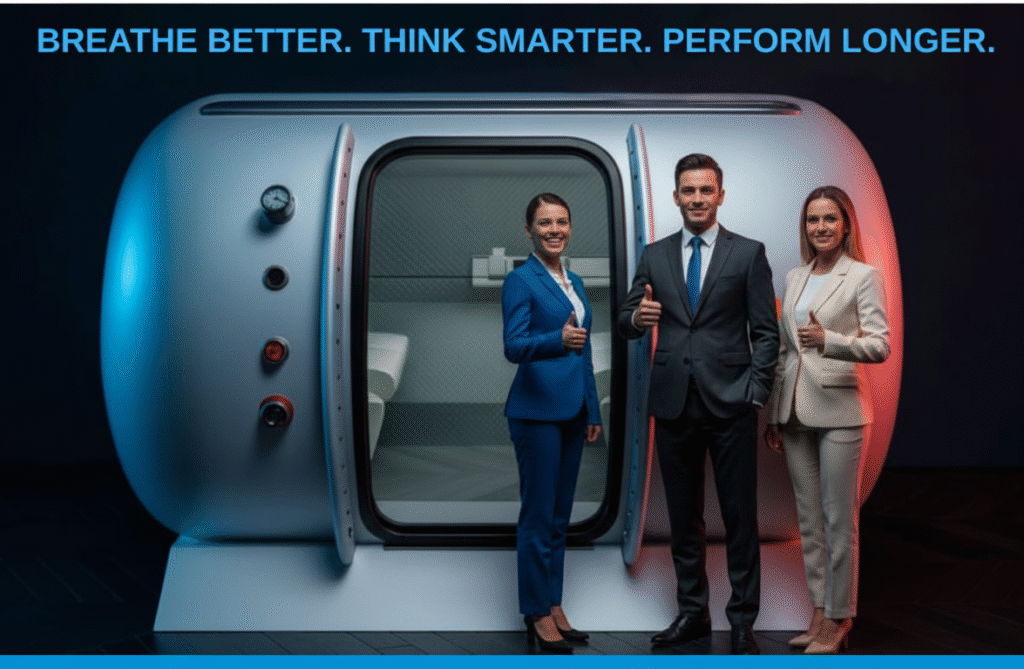
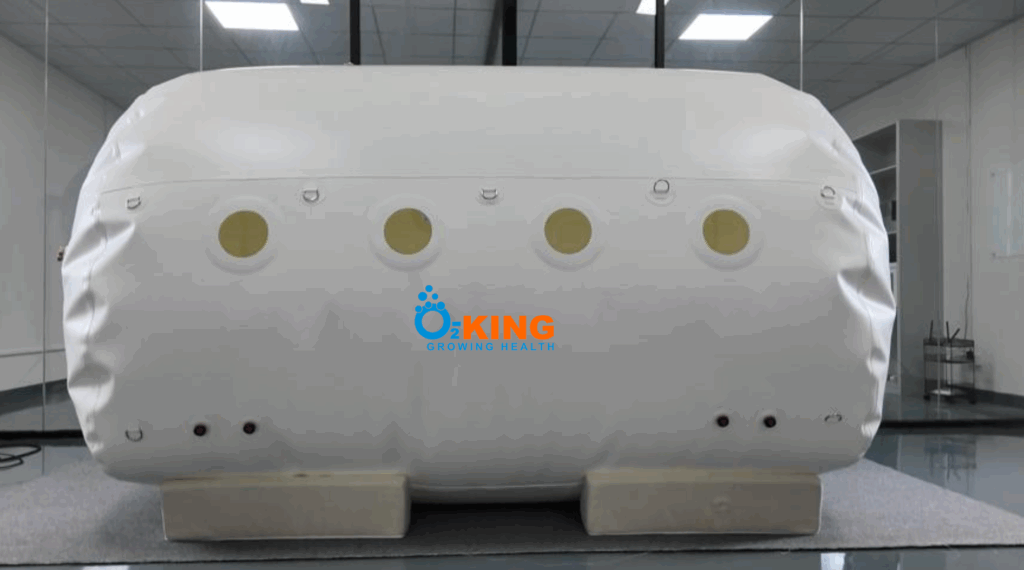
Multi-person cabins are the workhorses. They’re built to host groups — from cozy 2- to 4-seat configurations up to 8- or 12-seat oxygen cabins — and they change the economics of HBOT delivery.
What it is
A larger chamber that allows several people to undergo therapy at the same time, often in reclining chairs or bench seating.
Why clinics and wellness centers invest
- Maximized throughput. Multiple clients per session multiply revenue potential. During peak hours you can treat several patients simultaneously.
- Lower cost per client. Shared sessions make HBOT more affordable for clients and more profitable for you.
- Corporate and group programs. Perfect for on-site corporate wellness, team recovery sessions, or family packages.
- Community experience. Group therapy can be a bonding, morale-boosting activity—useful in corporate or sports settings.
Best use cases
- Busy wound clinics, sports recovery centers, and wellness resorts with steady demand.
- Corporate wellness programs offering group “reset” sessions.
- Facilities that want scalable, high-volume HBOT services.
Considerations
- Higher upfront cost and space needs. These chambers require a larger, dedicated room and a bigger capital investment.
- Scheduling complexity. Group sessions demand coordinated booking and more operational planning.
- Privacy trade-off. Some medical patients may prefer privacy for certain treatments. Multi-person setups are less personal unless you design private time slots.
Comparing the economics: ROI in the real world
A simple way to decide is to model throughput vs. price. A single-seat oxygen cabin charging premium prices for one client per hour can be profitable in a low-volume, high-margin clinic. A multi-person cabin charging mid-range prices to four or eight clients per hour usually edges ahead in total revenue for a higher-volume practice.
Example:
- A single-seat session at $120/hour × 6 daily bookings = $720/day.
- A 4-seater session at $60/client × 4 clients × 6 daily slots = $1,440/day.
That’s an oversimplified snapshot, but it highlights why busy centers often prefer multi-seaters: more chairs, more clients, faster payback.
Space, staffing, and workflow: practical realities
Space: Multi-person cabins often need a room large enough for the chamber plus antechamber or monitoring area. Single cabins can tuck into existing treatment rooms.
Staffing: Multi-person sessions may require one trained operator to supervise several clients, plus clearer safety protocols and screening. Single-seat operations can be managed with minimal staff if you have low volume.
Workflow: Group sessions benefit from fixed scheduling blocks (e.g., 9am, 11am, 1pm). Single sessions work best with flexible booking and personalized intake.
Clinical and client experience considerations
- Clinical protocols: Serious medical uses (wound care, post-op recovery) often benefit from the controlled environment of hard-shell multi-person chambers, though single-seat hard-shell units also exist. The choice should align with the safety and treatment protocols you plan to follow.
- Client expectations: Spa clients want serenity and privacy; corporate clients want efficiency and convenience. Match your cabin type to your audience.
A hybrid strategy: the best of both worlds
Many clinics find a hybrid approach works best: a fleet that includes one or two single-seat oxygen cabins for private, high-margin cases and a 4- to 8-seat cabin for group therapy, corporate bookings, and high-throughput hours. This lets you serve diverse markets without sacrificing revenue or client experience.
Tip: Start with a pilot. Lease or rent a multi-person cabin for a quarter to test demand before committing to purchase. You can also run targeted corporate or sports partner programs to validate utilization.
Maintenance, safety, and compliance
Whether you choose single or multi-person, don’t skimp on safety and service:
- Routine maintenance and certified safety checks are non-negotiable.
- Staff training and emergency protocols must be in place.
- Insurance, zoning, and local health regulations may differ for hard vs. soft chambers — check before you buy.
Budget for filters, oxygen supply (if using medical oxygen), consumables, and periodic servicing. These operational costs affect your true ROI.
Why O2-KING HBOT Oxygen Chambers Make the Decision Easier
O2-KING offers a full range of solutions—single-seat oxygen cabins for private clinics and hard-shell multi-person chambers that seat 2, 4, 6, 8 or even 12 clients for high-volume settings. We understand that one size rarely fits all. That’s why O2-KING provides flexible buy, lease, and rental options so you can match capital layout to actual demand.
What sets O2-KING apart
- Range & quality: From compact single units to spacious multi-seaters, each chamber is built to medical safety standards.
- Customizable layouts: Choose reclining or seated configurations to suit therapy style and client comfort.
- Turnkey support: Installation, staff training, maintenance packages and compliance guidance make onboarding smooth.
- Flexible finance: Rent, lease or buy—test demand with minimal risk and scale when usage justifies it.
- Global service network: Fast parts, reliable maintenance, and expert support keep downtime to a minimum.
If you’re designing a service menu, thinking about corporate partnerships, or expanding a clinic, O2-KING helps translate your goals into the right chamber mix.

Decision checklist: quick questions to guide you
Ask yourself:
- Who are my primary clients? Medical patients, athletes, spa-goers, or corporate groups?
- What’s my projected daily utilization? Low, medium, or high volume?
- How much room can I dedicate to a chamber?
- What budget constraints or financing options exist?
- Do I want to pilot the service before buying?
Answering these will point you toward single-seat, multi-person, or a hybrid fleet.
Final thought
Choosing between single-seat and multi-person HBOT oxygen cabins is a practical business decision wrapped in human needs: privacy, efficiency, healing, and community. There’s no single “right” answer—only the right answer for your clientele, your space, and your growth plan. Start small if you must, iterate as demand becomes clear, and remember: the best outcomes come when technical choices serve real people.