The New Era of Wellness: From Tracking to True Recovery
A decade ago, wellness technology mostly meant counting steps, tracking sleep, or logging calories. Useful, yes—but largely observational. In 2026, the conversation has shifted. People and organizations are no longer satisfied with data alone; they want tools that actively support recovery, resilience, and long-term performance.
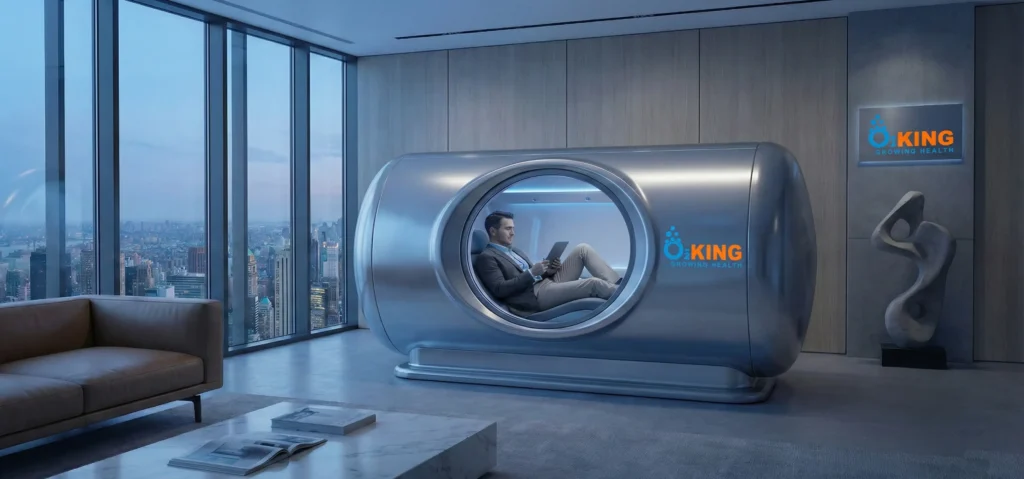
This shift explains why Hyperbaric Oxygen Therapy (HBOT) has moved from the margins of medicine into the center of the global wellness economy. Once associated primarily with hospitals and elite athletes, HBOT is now showing up in wellness clinics, corporate headquarters, sports academies, and even private residences.
At its core, this growth reflects something deeply human: a global desire not just to live longer, but to function better—mentally, physically, and professionally—throughout life.
What Is Hyperbaric Oxygen Therapy, Really?
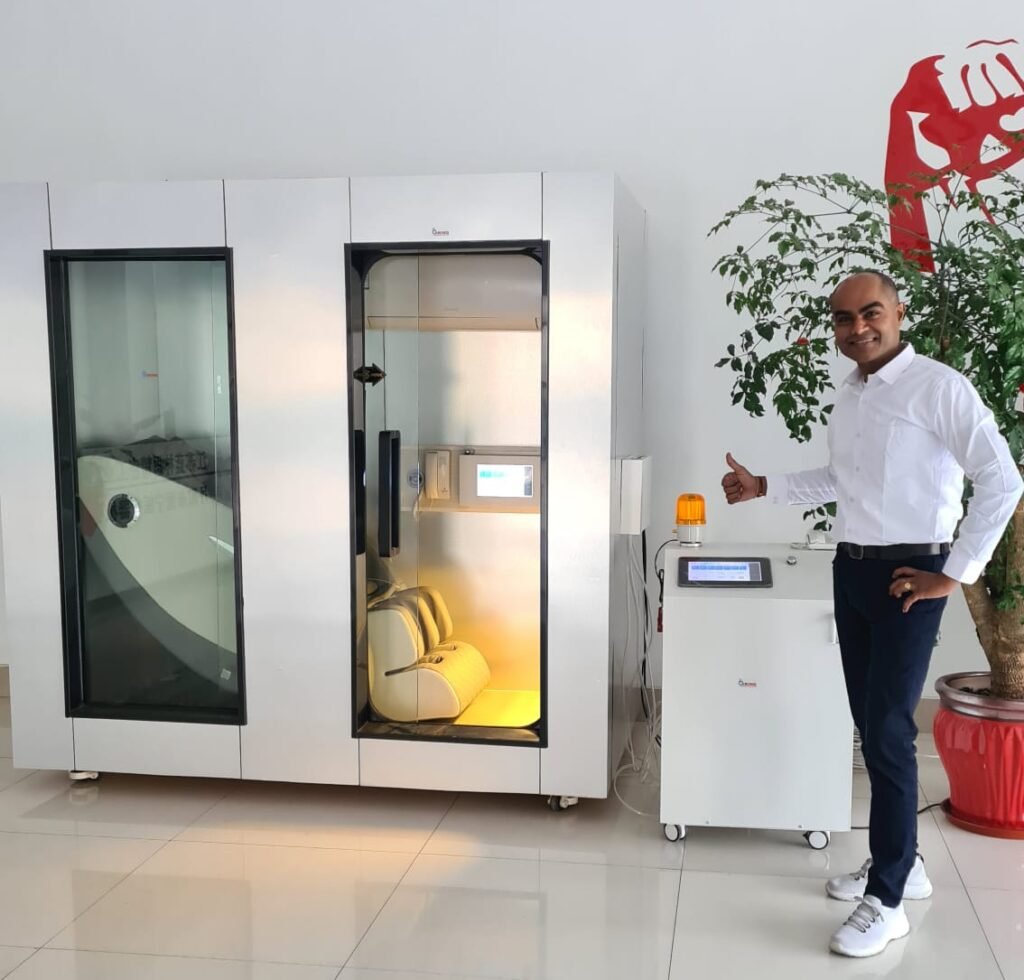
At first glance, a hyperbaric oxygen chamber can look intimidating—sleek, enclosed, almost futuristic. But the principle behind Hyperbaric Oxygen Therapy is surprisingly straightforward.
Under normal conditions, we breathe oxygen at everyday atmospheric pressure. HBOT gently changes that environment. Inside a sealed chamber, air pressure is increased, and the user breathes oxygen in a more concentrated form. This combination allows the body to take in oxygen more efficiently than it can under normal conditions.
It is important to distinguish this from standard oxygen therapy, where oxygen is delivered through a mask or nasal system at normal pressure. HBOT adds the element of pressure, which is why the chamber itself matters so much.
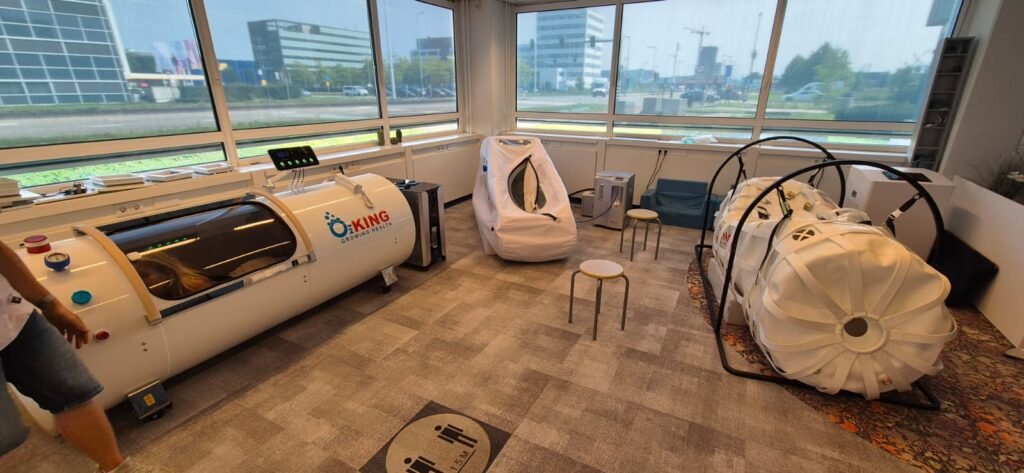
Soft vs. Hard Chambers—and Why Pressure Matters
In today’s market, hyperbaric systems generally fall into two categories:
- Soft chambers, typically operating at lower pressure levels
- Hard hyperbaric chambers, commonly designed for 2.0 ATA or 2.5 ATA use
As HBOT adoption has expanded beyond experimental or personal use, demand has shifted toward higher-quality, medical-grade systems that meet international safety and performance standards—especially in professional and institutional settings.
Why HBOT Is Surging Worldwide in 2026
The rise of HBOT is not driven by hype or novelty. It is being pulled forward by several powerful global forces that are reshaping how societies think about health and performance.
1. A World Running on Empty
Burnout is no longer a buzzword—it is a structural problem. From executives and healthcare workers to athletes and entrepreneurs, people are operating under sustained physical and cognitive stress. Technologies that support structured recovery have become essential, not optional.
2. Longevity Goes Mainstream
Longevity was once the domain of biohackers and researchers. In 2026, it is a boardroom topic. Organizations and individuals alike are investing in longevity therapy approaches that support long-term vitality, not just short-term fixes.
3. Performance Culture Expands Beyond Sports
Elite athletes were early adopters of HBOT, but today the same performance logic applies to founders, executives, and creative professionals. Mental clarity, energy consistency, and recovery capacity are now viewed as competitive advantages.
4. Corporate Wellness Gets Serious
Companies are moving beyond yoga classes and meditation apps. Corporate wellness technology now includes physical infrastructure—solutions that measurably support employee resilience and productivity.
Across Europe, the Middle East, North America, and Asia, HBOT sits neatly at the intersection of all these trends.
The Benefits That Are Driving Adoption
One reason HBOT has gained credibility is how it is discussed. In responsible wellness and medical-adjacent contexts, the focus is not on miracle cures, but on supportive benefits that fit within broader health strategies.
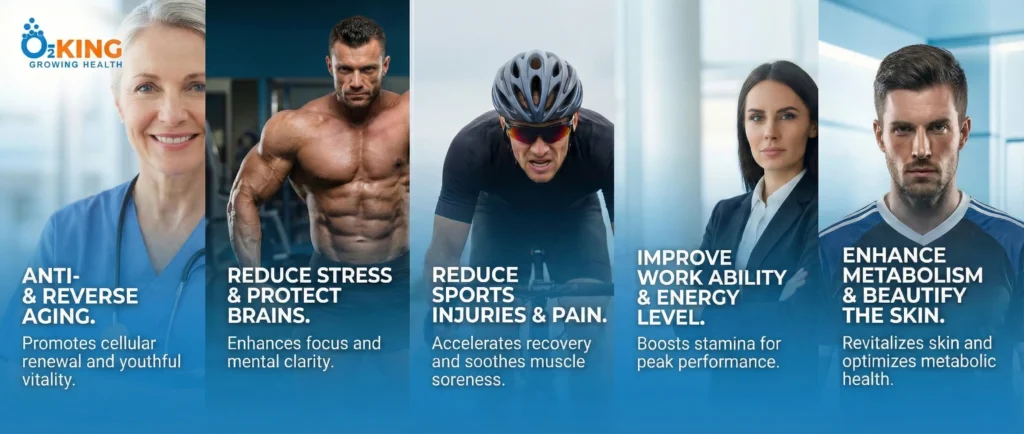
Organizations and users are drawn to HBOT for its role in supporting:
- Faster recovery after physical or mental exertion
- Improved energy balance and daily vitality
- Enhanced mental clarity and focus
- Overall wellness and resilience
- Physical and cognitive performance support
These benefits are particularly attractive because they are relevant across age groups, professions, and lifestyles.
Who Is Using Hyperbaric Oxygen Therapy Today?
By 2026, HBOT has become a cross-sector technology rather than a niche solution.
Wellness and Longevity Clinics
HBOT is now a flagship offering in many premium wellness centers, often positioned alongside cryotherapy, infrared sauna, or advanced diagnostics.
Hospitals and Rehabilitation Centers
In medical environments, medical grade hyperbaric chambers are used as part of structured recovery and supportive care programs.
Sports and Performance Organizations
Professional teams, training academies, and elite fitness centers continue to adopt HBOT as a recovery and performance-support tool.
Corporate and Executive Wellness
Forward-thinking companies are integrating oxygen therapy chambers into executive health programs and high-stress work environments.
Private and High-Net-Worth Users
As awareness grows, some individuals are choosing to buy oxygen chamber systems for personal use, particularly where privacy and convenience are priorities.
The Business Logic Behind Oxygen Therapy Chambers
Beyond wellness benefits, HBOT makes sense on paper.
For wellness centers, a hyperbaric chamber for wellness can quickly become a high-utilization asset, offering both differentiation and repeat engagement. For corporations, the value shows up in reduced burnout, improved employee experience, and stronger retention narratives.
Crucially, the market now offers flexible entry points:
- Organizations can buy a system for long-term deployment
- Rent oxygen chamber solutions to test demand
- Or lease oxygen chamber systems to preserve capital while scaling services
This flexibility has lowered adoption barriers and accelerated global uptake.
Choosing the Right Hyperbaric Oxygen Chamber
As demand increases, so does the importance of choosing the right equipment.
Key factors decision-makers now prioritize include:
- Chamber type (soft vs hard shell)
- Pressure capability (commonly 2.0 ATA / 2.5 ATA)
- Single-user vs multi-user design
- Safety systems and build quality
- Compliance with international standards
In professional environments, investing in a medical grade hyperbaric chamber is increasingly viewed as a safeguard—for users, operators, and brand reputation alike.
Where O2-KING Fits into This Global Shift
O2-KING focuses on providing oxygen therapy chamber solutions that are suitable for wellness, medical-support, sports, and corporate environments. Our model reflects how the market now operates: offering systems for buy, rent, or lease, and emphasizing long-term partnerships over one-off transactions.
We are IHA & IBUM member and IBUM & IHA certified. In a sector where trust and compliance matter as much as innovation, that positioning resonates with institutions looking to adopt HBOT responsibly.
Looking Ahead: The Future of Hyperbaric Oxygen Therapy
HBOT’s growth shows no signs of slowing. If anything, it is becoming more integrated.
In the coming years, we are likely to see:
- HBOT combined with red light and recovery technologies
- Smarter chambers with monitoring and personalization features
- Wider adoption in mainstream corporate wellness programs
- HBOT becoming a standard component of structured longevity protocols
What was once considered advanced is steadily becoming expected.
Final Thoughts: A Defining Wellness Technology of 2026
Hyperbaric Oxygen Therapy did not become one of the fastest-growing wellness technologies of 2026 by accident. It earned its place by aligning with real human needs: recovery in a high-pressure world, clarity in an overstimulated one, and sustainability in how we work and live.
For organizations and individuals alike, the question is no longer whether HBOT belongs in modern wellness strategies—but how to adopt it thoughtfully.
Exploring options to buy, rent, or lease an oxygen chamber, and working with experienced providers, is now part of a broader conversation about the future of health, performance, and longevity.